Brands often ask us which kind of photo they should book: the clean, plain-backdrop catalog shot, or the styled scene with a person, a setting and a mood. It's a fair question, but it usually has the wrong shape. The two kinds of image don't compete. They answer different questions a shopper has at different moments, and a store that only has one of them leaves the other question hanging.
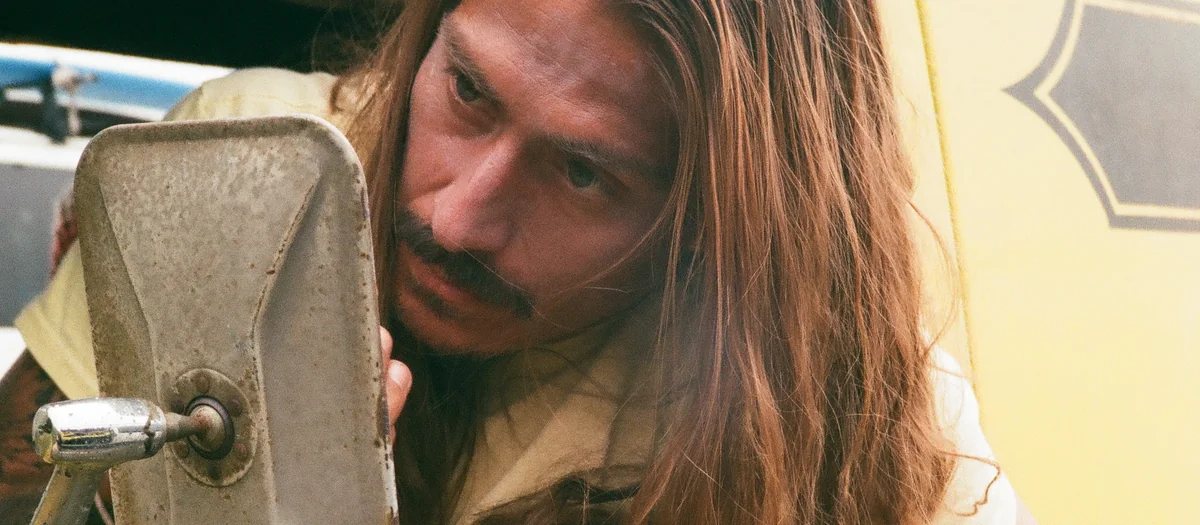
This guide explains what each style is good at, where each one earns its place, and how we plan a shoot at Vidd Studios so you walk away with both. The image at the top of this page comes from our commercial and editorial work: a person, a vintage vehicle and a moment. That's the opposite end of the spectrum from a product sitting alone on a light backdrop.
Two styles, two different jobs
Think of it as information versus imagination.
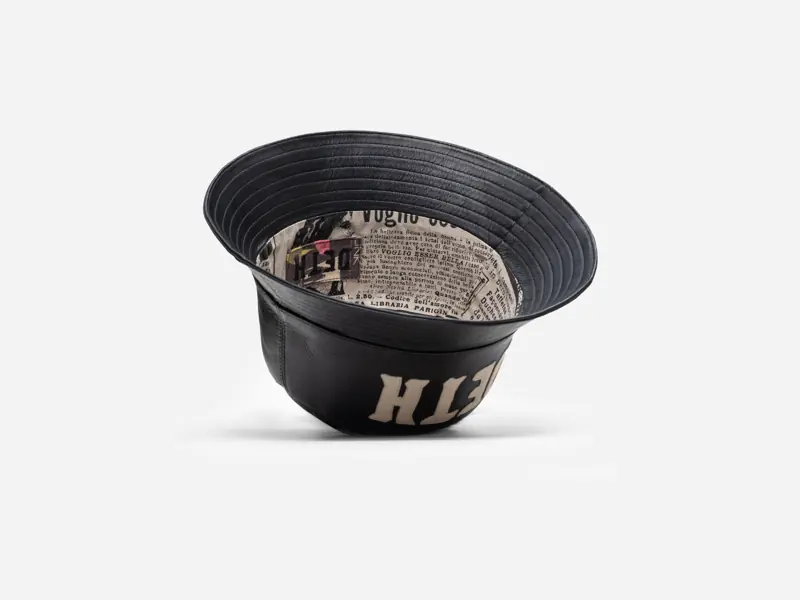
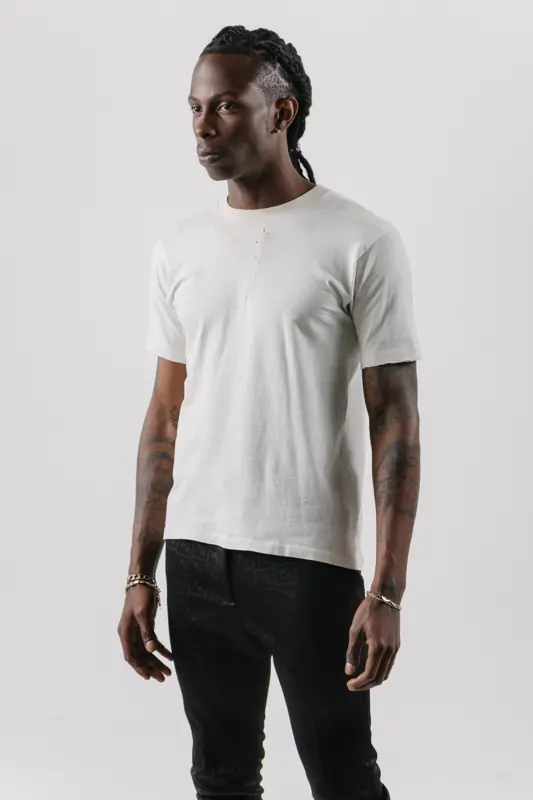
- A clean-background image is information. The product is the only thing in the frame. A shopper can judge the shape, color, material and details without anything getting in the way. It's the photo people zoom into right before they decide.
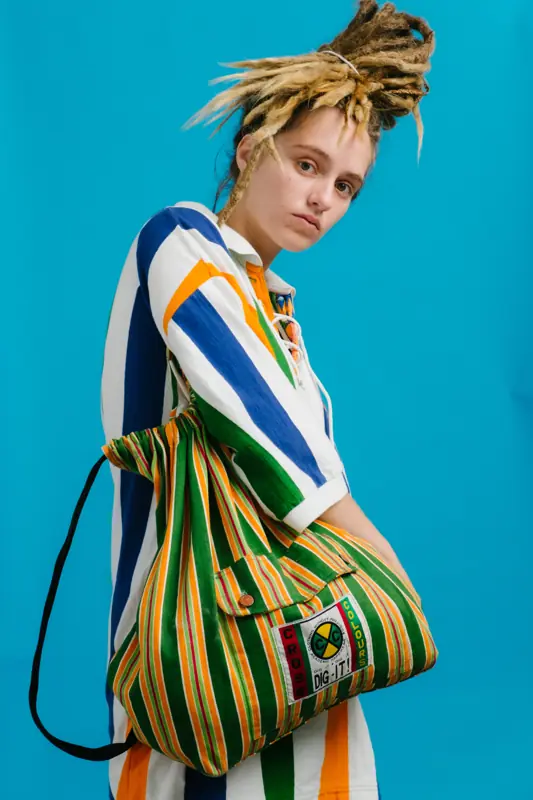
- A lifestyle image is imagination. The product appears in use, on a person or in a setting that suggests who it's for and how it feels. It's the photo that makes someone stop scrolling in the first place.
Neither one replaces the other. A gorgeous scene doesn't tell a shopper whether the strap is adjustable, and a perfect cutout doesn't tell them whether the bag suits their weekend.
Planning a shoot in Los Angeles?
Tell us about your products and preferred date and we'll send a full quote.
NOW
When a clean background does the heavy lifting
Plain-backdrop images carry most of the weight wherever a shopper is comparing or verifying:
- Product detail pages, especially the first image a shopper sees.
- Category and collection grids, where matching backgrounds make many items read as one tidy range.
- Marketplaces. Some have hard rules here. Amazon, for example, requires a pure white background on a listing's main image. Our Amazon image checklist covers the details, and the platform's help pages have the current version.
- Wholesale line sheets and catalogs, where buyers want to see the product, not the styling.
- Flexible reuse, because a product shot on a plain field is easy to drop onto a banner, email or ad layout later.
For how we light and finish these, see White Background Product Photography Done Right.
When lifestyle imagery earns its place
Lifestyle frames do their best work wherever you need attention or context before you need detail:
- Homepage heroes and campaign banners, where the image sets the tone for the whole brand.
- Social feeds and paid social, where a plain product on white can look like an ad and get skipped.
- Email headers and launch announcements.
- Later slots in a product gallery, where a scene shows scale, fit or use after the clean images have answered the basics.
- Products whose value is a feeling or a use, such as apparel, accessories, beauty and anything worn on the body.
A good lifestyle image still has one clear subject. If a shopper can't find the product in a second, the scene is working against it.
A simple way to split your image budget
There's no universal ratio, but you can work it out from where the images will live. List every placement you need to fill in the next few months, then mark each one as clean, lifestyle or either:
| Placement | Usually needs |
|---|---|
| First image on a product page | Clean |
| Remaining product-page slots | Clean detail angles plus one or two lifestyle frames |
| Category grid | Clean (one look across the range) |
| Homepage and campaign banners | Lifestyle |
| Social and ads | Mostly lifestyle, with clean shots for retargeting |
| Either, depending on the message |
Count the boxes and you have a realistic shot list for each style, instead of a guess.
How to make the two styles feel like one brand
The most common problem we see isn't choosing the wrong style. It's two sets of images that look like they came from two different companies. A few habits keep them connected:
- Match color. The product should look the same shade in the scene as on the clean backdrop. Shoppers notice when the red bag on the homepage is a different red on the product page.
- Repeat one element. A recurring prop, color, location or wardrobe piece ties the lifestyle frames back to the catalog.
- Keep the grade consistent. Edit both styles with the same overall warmth and contrast, even if the lifestyle frames are moodier.
- Shoot the hero product both ways. Your most important item should appear as a clean shot and in context, so every campaign can point back to a clear product image.
If you're already writing down rules like these, our post on building a photo style guide turns them into a one-page brief.
Planning both styles in one shoot
You don't need two separate productions. A typical plan we build with clients looks like this:
- Clean setup first. Product shots go quickly once the lighting is set, and they give you the catalog images you can't launch without.
- On-model or styled frames next. Talent, wardrobe and props come in once the essentials are captured. If you need people in the shot, see our on-model apparel page.
- Scenes last. Set dressing and creative variations come at the end, when the must-haves are safe.
Scope sets the format. Our Half-Day vs Full-Day post explains how to pick between the two packages. Models, styling, props and on-location work are quoted per project via the Request a Shoot form.
Retouching each style
The two styles need different kinds of editing. Clean-background images usually need backdrop cleanup, edge refinement, dust removal and a color check against the real product. Lifestyle frames lean more on overall color grading, skin and fabric cleanup and removing distractions from the scene. Retouching, image editing and color grading at Vidd Studios are $40-$60 per image, with Standard (8 business days) or Rush (4 business days, rush fee applies) turnaround. How Much Retouching Do Product Photos Need? helps you decide per frame.
Mistakes to avoid
- Booking only lifestyle images and having nothing clean for the product page.
- Using a busy scene as a marketplace main image.
- Letting the product shrink into the background of a lifestyle frame.
- Mixing several backdrop shades across one category grid.
- Grading the lifestyle set so differently that the product changes color.
Book a shoot that covers both
Start with the Request a Shoot form and tell us:
- Your product list with counts and the hero items.
- Every placement you need to fill: store, marketplace, social, ads, email.
- The split you worked out between clean and lifestyle frames.
- Moodboards, brand guidelines or reference images (Google Drive, Dropbox or WeTransfer links).
- Whether you need models, props or a location, plus your preferred date, time and turnaround.
Vidd Studios is based in Covina and works with brands across LA County. See our commercial and editorial photography and product photography pages for examples of both styles.
Sources
- Amazon Seller Central, "Product image requirements" (main image: pure white background): https://sellercentral.amazon.com/help/hub/reference/external/G1881 (sign-in may be required)
Frequently asked questions
Are lifestyle photos better than white background photos?
Neither is better overall. Clean-background images help shoppers check exactly what they're buying, and lifestyle images give context and grab attention. Most stores need both.
Which image should be first on a product page?
Usually a clean-background shot, because it shows the product clearly at a glance. Some marketplaces, such as Amazon, require it for the main image.
Can I get lifestyle and white background photos from the same shoot?
Yes. We usually capture the clean setup first, then move to on-model or styled frames. Talent, props and locations are quoted per project via the Request a Shoot form.
How many lifestyle images does each product need?
It depends on the placements you need to fill. List your pages, ads and emails first, then count how many of them call for a scene instead of a clean shot.
How much does retouching cost for each style?
Retouching at Vidd Studios is $40-$60 per image for either style, with Standard (8 business days) or Rush (4 business days, rush fee applies) turnaround.