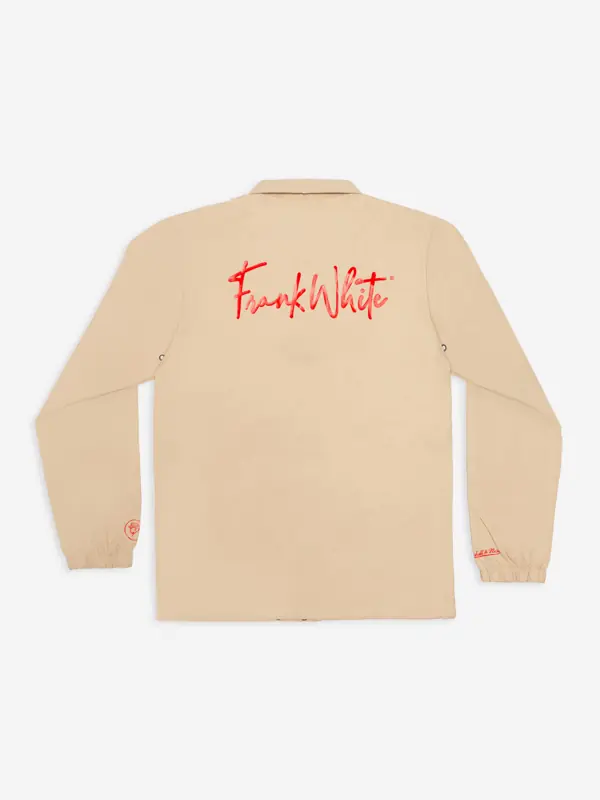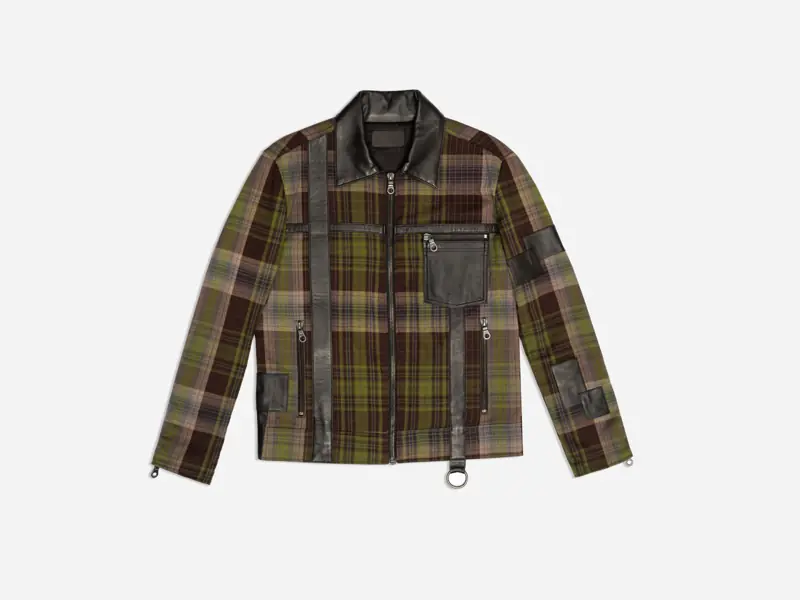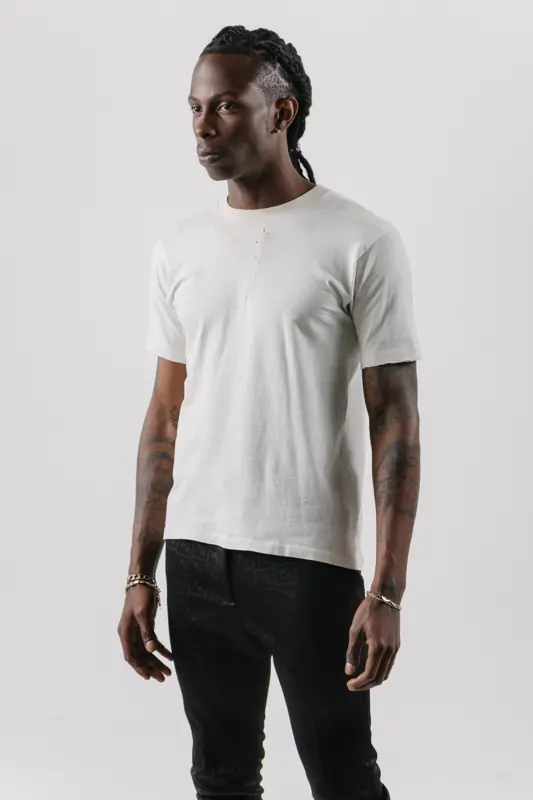
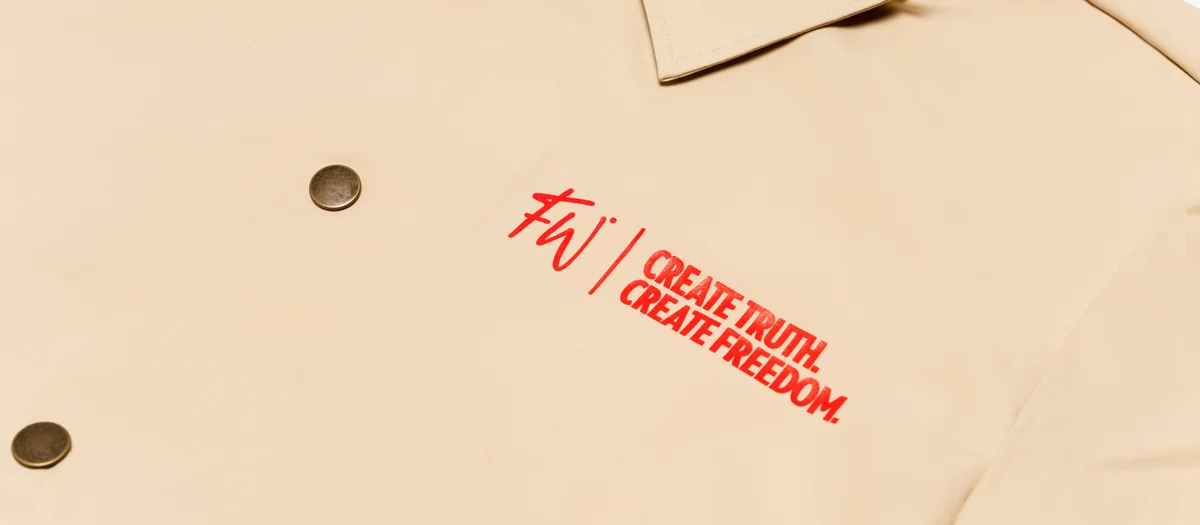
Sooner or later every growing brand asks it: should someone on the team learn to shoot our products, or should we hire it out? The honest answer is that it depends on what you're shooting, how often, and who would be doing it. A light kit and a phone can handle a lot. They can't replace years of lighting experience on a jewelry close-up or a campaign day with models.
Here's how to think it through, with the costs people tend to forget on both sides.
What each option really means
In-house means your own team produces the photos: someone on staff, a corner of your office or warehouse set up as a shooting area, your own lights and backdrops, and your own editing.
Outsourced means you hire a photographer or production team who plans the shoot, shoots it and delivers edited images. You supply the products, the brief and the approvals.
Neither one is automatically cheaper. They spend money in different places.
Planning a shoot in Los Angeles?
Tell us about your products and preferred date and we'll send a full quote.
NOW
The real cost of shooting in-house
The camera is the smallest line on the list. A working in-house setup usually needs:
- Space that can stay set up, or be rebuilt the same way every time.
- Lighting and grip: lights, modifiers, stands, a table or sweep and backdrops.
- A camera and lenses suited to your products, plus a computer and editing software.
- Staff hours for setup, shooting, file management and editing. Those hours come out of someone's other job.
- Learning time and reshoots. The first few rounds rarely match a professional set, and inconsistent images often get reshot.
- Retouching for anything that needs cleanup, color matching or compositing.
None of these is unreasonable on its own. Add them up honestly before assuming in-house is the budget option.
The real cost of outsourcing
Outsourcing turns most of those lines into one quote, but it brings its own costs:
- The shoot itself, billed by the day, half-day, hour or image depending on the photographer. Our post on day rate vs per-image pricing compares the models.
- Retouching, often priced per image. Ours is $40-$60 per image.
- Models, styling and props when the shoot needs them.
- Lead time. You plan around a booking and a delivery date instead of shooting whenever you like. Our turnaround is Standard (8 business days) or Rush (4 business days, rush fee applies).
- Logistics, like getting products to and from the shoot.
How Much Does Product Photography Cost in Los Angeles? breaks down what drives a quote.
When in-house makes sense
- You need images constantly, such as weekly drops, restocks or daily social content.
- The products are simple to light, with matte surfaces, consistent sizes and a plain background.
- Speed matters more than polish, like a quick listing update or a behind-the-scenes post.
- Someone on the team is genuinely interested and has time set aside for it, not squeezed between other tasks.
When outsourcing makes sense
- A launch or rebrand, when the first impression of a product line sets the tone for months.
- Campaign and hero images with a concept, styling and art direction. See our commercial editorial photography work.
- On-model photography, which adds casting, styling, posing and fit. Our on-model planning guide covers what's involved.
- Hard-to-shoot products: jewelry, glass, metal, glossy packaging and cosmetics textures, where lighting skill shows immediately.
- A large catalog on a deadline, when you need many items photographed consistently in a short window.
The hybrid approach many brands use
You don't have to pick one forever. A common setup:
- Book a professional shoot for launches, hero images and the core catalog.
- Turn that shoot into a reference. Write down the background, angles, crops and lighting direction in a simple photo style guide.
- Shoot day-to-day content in-house using that guide, so social posts and quick updates still feel like the same brand.
- Send tricky items out, or bundle them into the next professional session.
This keeps your main product images consistent and lets the team move quickly where polish matters less.
Questions to decide
- How many new products or images do we need each month, realistically?
- Which images do customers see first: the main product image, ads, the homepage?
- Do our products need models, styling or difficult lighting?
- Who on the team would own photography, and what would they stop doing to make time?
- What would a reshoot cost us if the first round doesn't match?
If most answers point to frequent, simple images, start in-house. If they point to high-visibility images or tricky products, outsource those first.
Getting a quote from Vidd Studios
If you're weighing a professional shoot against building your own setup, send us the details through the Request a Shoot form: what you're selling, how many items, the image types you need, a moodboard or shot list link and a preferred date. For package options, read Half-Day vs Full-Day Commercial Shoot. Vidd Studios is based in Covina and works with brands across LA County. See more on our product photography in Los Angeles page.
Frequently asked questions
Is it cheaper to take product photos in-house?
Not always. Once you count space, lighting, staff hours, editing, learning time and reshoots, in-house can cost more than it first appears. It tends to pay off when you need frequent, simple images.
When should I hire a product photographer?
For launches, campaigns, on-model images, hard-to-light products such as jewelry or glass, and large catalogs on a deadline.
Can I mix in-house and professional photos?
Yes. Many brands book a professional shoot for core and hero images, then use a style guide so in-house content matches the look.
What does outsourced product photography usually include?
It varies by photographer. Ask whether the quote covers planning, shoot time, RAW files, retouching, models and styling. At Vidd Studios retouching is $40-$60 per image, and models, styling and props are quoted per project.
How long does an outsourced shoot take to deliver?
At Vidd Studios, Standard turnaround is 8 business days and Rush is 4 business days (rush fee applies).